Skip to content


AUTOTECH TRAINING PARTNERED WITH ESSEX COUNTY FIRE AND RESCUE SERVICE TO DELIVER A TAILORED, ON-SITE TRAINING PROGRAMME
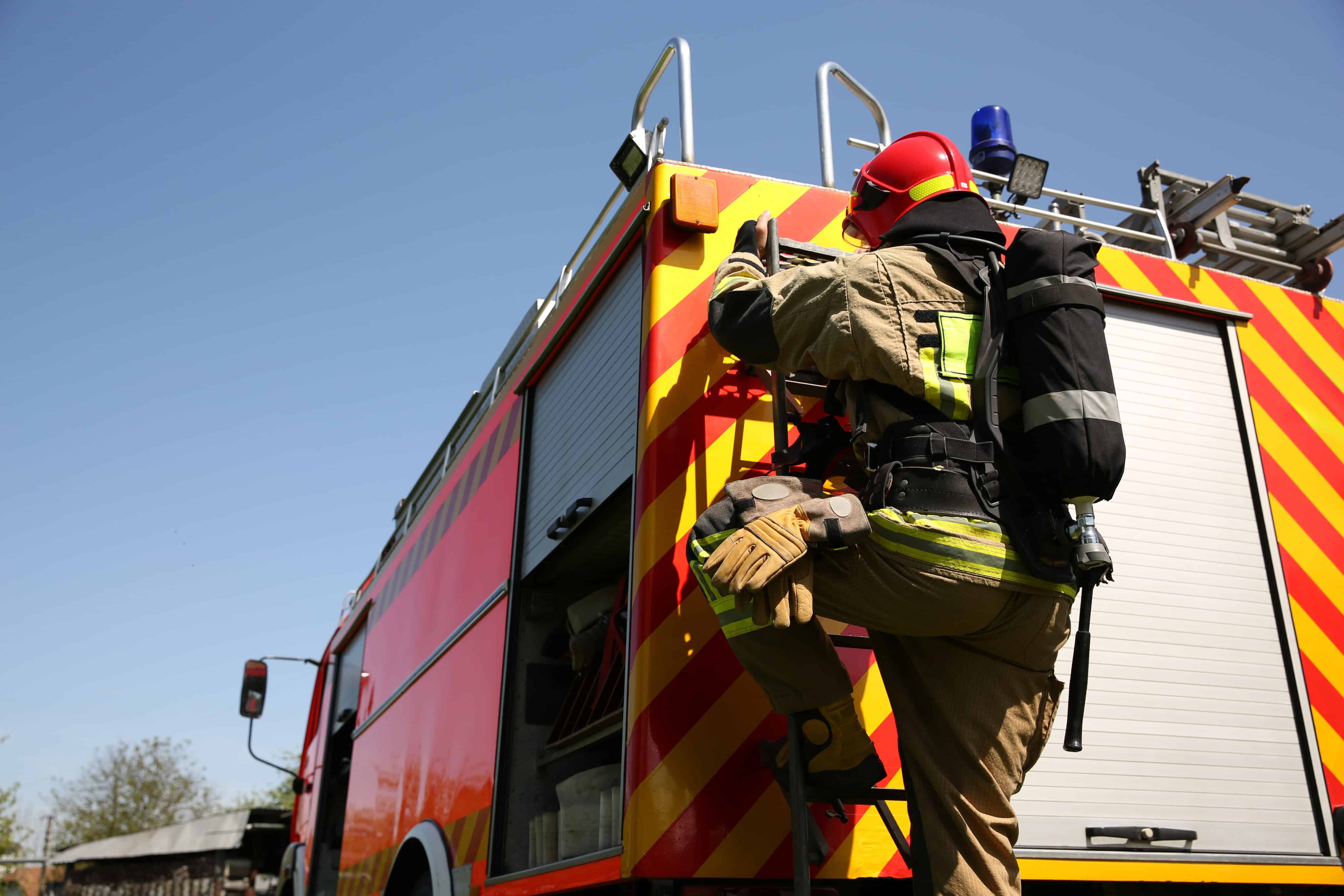
As one of the UK's largest fire and rescue services, Essex County Fire and Rescue Service (ECFRS) operate a diverse and demanding fleet to protect communities across the county. With increasing national focus on decarbonisation, the Service is proactively preparing for the UK Government's commitment that all new cars, vans and heavy goods vehicles up to 26 tonnes will be zero emission by 2035.
As part of a £3.7 million investment programme, ECFRS announced the rollout of 12 brand-new fire appliances featuring cutting-edge technology and enhanced operational capabilities. Alongside this fleet modernisation, the Service is working towards a longer-term strategy of electrification, ensuring its infrastructure, technicians and operational teams are ready for the transition to low and zero-emission vehicles.
Recognising that fleet transformation requires more than vehicle procurement alone, ECFRS identified the need to upskill its technical teams in advanced electrical systems and electric vehicle (EV) technologies.
THE AUTOTECH TRAINING SOLUTION
Autotech Training partnered with Essex County Fire and Rescue Service to deliver a tailored, on-site training programme designed to build internal capability and futureproof the fleet maintenance team.
Two specialist programmes were delivered directly at ECFRS facilities:
- IMI Level 3 Hybrid/Electric Vehicle Training – 5 technicians
- Advanced Auto Electrical Course (Levels 2 and 3 Advanced Electrics) – 3 technicians
By delivering the courses on-site, Autotech Training ensured minimal disruption to operational readiness while providing hands-on, practical learning within the Service's working environment.
TRAINING OBJECTIVES
The programmes were designed to support ECFRS in:
- Preparing for the transition to zero-emission vehicles ahead of the 2035 mandate
- Developing in-house expertise in high-voltage systems
- Enhancing diagnostic and fault-finding capability across modern vehicle platforms
- Ensuring safe working practices around hybrid and electric vehicle systems
- Strengthening long-term fleet resilience and sustainability
The Advanced Electrics course equipped delegates with deeper diagnostic knowledge across complex vehicle systems, while the IMI Level 3 Hybrid/EV qualification enabled technicians to safely isolate, test and work on high-voltage components in line with industry standards.
As ECFRS receives more hybrid and electric vehicles into service and further develops its workshop facilities, the next step will be progression to Level 4 EV training, ensuring the Service remains technically prepared as vehicle complexity increases.
SUPPORTING THE TRANSITION OF HEAVY EMERGENCY VEHICLES
While electrification forms part of the long-term strategy, ECFRS is also exploring alternative fuel solutions for heavier appliances in the short term, recognising the ongoing debate around whether current heavy EV platforms can consistently meet the operational and public safety expectations required of frontline emergency vehicles.
Like many public sector organisations, the Service acknowledges that achieving national zero-emission targets will require significant infrastructure development and sustained government funding to enable fire and rescue services across the UK to meet the 2035 deadline without compromising operational capability.
TESTIMONIAL
Dean Williams
Strategic Fleet & Equipment Lead, Essex County Fire and Rescue Service:
"Through our partnership with Autotech Training, we have successfully upskilled eight members of our technical team across advanced electrical and EV disciplines. Five completing IMI Level 3 Hybrid and EV training and three undertaking Advanced Electrical training.
The training has significantly increased our in-house capability to manage emerging vehicle technologies and strengthened our readiness as we move towards fleet electrification. As we receive more hybrid and electric vehicles and further develop our workshop facilities, we will be looking to progress into Level 4 EV training.
As we continue aligning with the government's zero-emission targets, investing in our people has been just as important as investing in our vehicles. At the same time, there are important considerations around heavier electric appliances and the funding required nationally to meet these ambitions.
This collaboration has enabled us to take a proactive, future-focused approach, ensuring we can maintain operational excellence while progressing our commitment to sustainability and modern emergency response."