Skip to content


As fleets rapidly evolve with emerging technologies, stricter compliance requirements, and the shift to electric and hybrid vehicles, fleet workshop managers are under increasing pressure to stay ahead. Meeting these challenges requires a workforce equipped with up-to-date skills, technical expertise, and a proactive mindset.
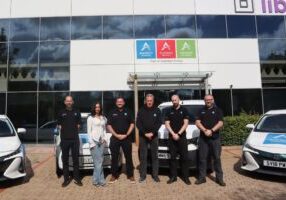
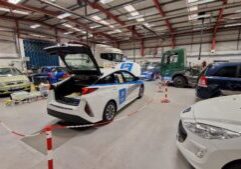
Autotech Training works closely with fleet workshop teams across the UK to support their development in this ever-changing landscape. Here, Autotech Training explores the key challenges and practical solutions that can empower workshop managers and their technicians to thrive in a technology-driven future
The most pressing challenges include maintaining safety and compliance while adapting to new vehicle technologies. Fleet workshops are facing a critical shortage of skilled technicians, especially those trained to handle the growing number of electric and hybrid vehicles.
At the same time, the transition to new powertrains must be managed efficiently to minimise Vehicle Off Road (VOR) time and ensure compliance with evolving industry standards. To navigate this complexity, workshop managers need access to robust training, specialist resources, and strategic support.
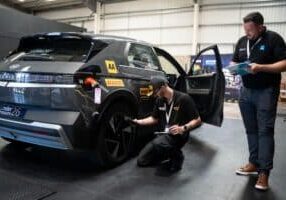
Advanced Driver Assistance Systems (ADAS) are now standard in all new vehicles sold in the UK since 2022. These systems play a crucial role in accident prevention, but they also introduce new challenges for diagnostics, calibration, and repair.
Incorrect calibration of ADAS can lead to system failures and increased liability. Since the operation of ADAS features varies across different vehicle models - even when they share similar names - specialised training is vital to ensure technicians can manage these technologies effectively and safely.
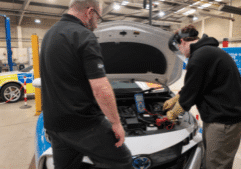
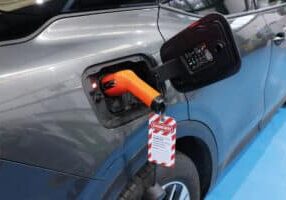
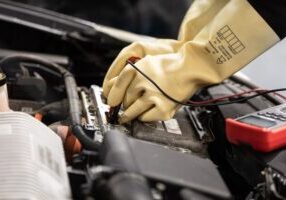
With many fleets targeting full electrification by 2030, electric vehicle (EV) training is now non-negotiable. EVs present unique risks due to their high-voltage systems, and technicians must be properly trained to handle them.
EV training goes beyond the workshop floor. Drivers, managers, and other support staff must also understand key EV concepts such as charging protocols, regenerative braking, and factors affecting range. Without this knowledge, electrification efforts can falter, becoming little more than a box-ticking exercise. Comprehensive training ensures technicians work safely, and the wider workforce adopts EVs confidently and effectively.
The Electricity at Work Regulations require that anyone working with electrical equipment - EVs included - must be competent. The simplest and most effective way for fleet workshops to demonstrate compliance is by investing in accredited training, such as IMI qualifications.
This ensures safe working practices are consistently followed, covering everything from basic EV safety to advanced diagnostics. Failing to meet these standards could result in legal consequences and serious safety risks for both technicians and drivers.
The shift to net-zero means a future with mixed powertrains, including hydrogen fuel cell and hybrid vehicles. Foundational training in these technologies is essential to build internal knowledge and prepare for broader adoption.
Upskilling now reduces future risk and ensures technicians can confidently service a wider range of vehicles. Investing in the right training today safeguards workshops against tomorrow’s skills shortages.
Beyond technical know-how, fleet workshop leaders need strong adaptability, communication, and leadership skills. The ability to drive strategic improvements and foster a learning-oriented culture is critical.
By developing both technical and non-technical skills, workshop managers can better support their teams through complex transitions, enhancing operational efficiency, job satisfaction, and long-term success.
CPD is central to the ongoing success of fleet workshops. With vehicle systems becoming more advanced, technicians must regularly update their skills to stay relevant and compliant.
Maintaining IMI TechSafe® accreditation, for example, demonstrates that technicians are up-to-date with the latest standards, particularly in areas like ADAS and EV maintenance. CPD also cultivates resilience, enabling technicians to handle new challenges with confidence and skill - ensuring the fleet remains reliable and efficient.
Training must be embedded into the culture of the workshop - not treated as a one-off event. Making training accessible, routine, and relevant encourages ongoing development.
Peer mentoring, online learning modules, and practical hands-on sessions help integrate training into daily workflows. A strong training culture improves staff retention, morale, and technical agility, keeping teams engaged and ready for future demands.
As the pace of change accelerates, training must evolve to meet new demands. Autotech Training is expanding its offering to include hydrogen vehicle technologies and comprehensive CPD frameworks.
They also recognise the value of blended learning - combining digital platforms with in-person, practical experience. Autotech Training’s goal is to ensure fleet workshops have access to the skills and knowledge they need to operate safely, efficiently, and in full compliance with modern automotive standards.
Fleet workshops sit at the heart of the UK’s transition to greener, smarter mobility. With the right training, support, and leadership, workshop teams can rise to the challenges of the modern fleet industry. By investing in a culture of continuous learning, fleet operators will not only improve operational performance but also future proof their workforce for the road ahead.