 Skip to content



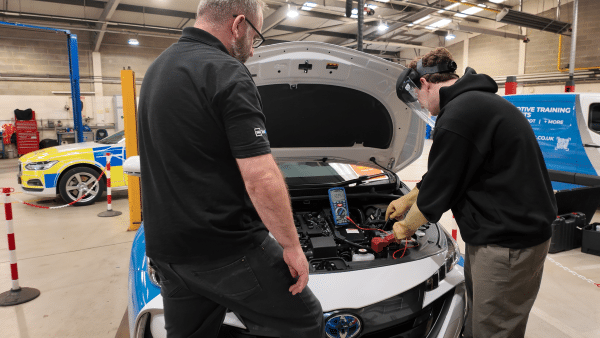
Recent figures from the Institute of the Motor Industry (IMI) have reignited concerns about the slowdown in electric vehicle (EV) technician qualifications at a time when electric vehicle adoption continues to accelerate. However, according to Autotech Training, continued focus should now be placed on making EV skills development more accessible for independent garages and automotive businesses.
With record numbers of used EVs entering the independent aftermarket, Alistair McCrindle, Operations Director at Autotech Training, believes the priority should be removing the practical barriers that prevent workshops from investing in training.
"The industry already knows we need more EV-qualified technicians," said Alistair. "The bigger question is how we make training achievable for busy workshops. Independent garages recognise that electrification is no longer a future consideration, but finding the time, budget and flexibility to develop those skills can still be a challenge.
"Training should be viewed as an investment in the future of the business, not simply another cost. Our role is to make that investment easier by removing as many of the practical barriers as possible."
In response to the evolving needs of the aftermarket, Autotech Training has developed its EV training programmes around the realities of modern workshop operations, introducing a range of flexible training options designed to make professional development easier to access.
These include a discounted training pathway covering IMI Levels 2, 3 and 4, onsite delivery at customer premises, and the option to undertake training at weekends or during Bank Holidays to minimise disruption to day-to-day business.
Autotech Training has also introduced an alternative route to IMI Level 4 certification, allowing delegates to complete an additional day of practical learning instead of the traditional 1,000-word written assessment.
"We've looked carefully at the reasons why businesses sometimes delay investing in training," continued Alistair. "Whether it's reducing overall training costs, delivering courses onsite, offering more flexible scheduling or providing alternative assessment routes, every change has been made with one objective in mind – making it easier for businesses to build the skills they need.
There isn't a single solution to closing the industry's skills gap but making training more practical and accessible is one way we can help the sector continue to build the skilled workforce it needs."
As more electric vehicles move beyond manufacturer warranties and into everyday servicing and repair cycles, the demand for qualified technicians will continue to grow. Ensuring independent workshops have the confidence and capability to maintain these vehicles will be critical to supporting motorists and the wider transition to electrification.
"As more electric vehicles enter independent workshops, ensuring technicians have the right skills becomes increasingly important,” Alistair concluded. "The transition to electrification depends on more than the vehicles being sold. It depends on ensuring workshops have the confidence and capability to maintain them. By making training more accessible, we can help more businesses invest in their people and build a workforce that's ready for the future."